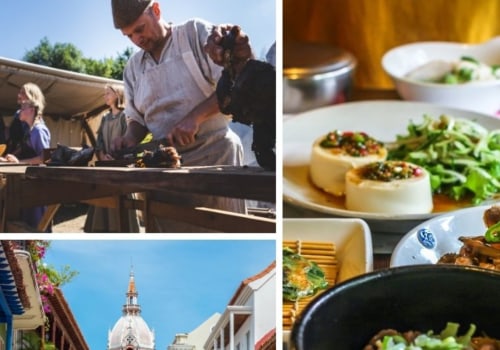
Food tourism has become one of the most influential drivers of travel decisions in recent years. Travelers are increasingly choosing destinations based on culinary experiences rather than solely on historical landmarks, beaches, or entertainment attractions. While many factors contribute to a destination's appeal, one element that often goes unnoticed is the diversity of its restaurant scene. A wide range of dining options can significantly influence the success of food tourism by attracting broader audiences, encouraging longer stays, and creating memorable experiences for visitors. The connection between restaurant diversity and food tourism success is deeper than many people realize, playing a crucial role in shaping how travelers perceive and engage with a destination.
Diverse Dining Options Appeal to More Travelers
One of the primary advantages of restaurant diversity is its ability to satisfy a wide variety of tastes, preferences, and dietary requirements. Modern travelers come from different cultural backgrounds and often seek different types of culinary experiences. Some may be interested in authentic local cuisine, while others may look for international flavors, vegetarian options, contemporary fusion concepts, or upscale dining experiences.
Destinations that offer a broad selection of restaurants can accommodate these varied interests more effectively than those with limited culinary offerings. A visitor traveling with family or friends may have members with different food preferences, making restaurant diversity especially valuable. The availability of multiple dining styles increases the likelihood that visitors will find experiences that meet their expectations, contributing to overall satisfaction and encouraging positive reviews and recommendations.
Encouraging Longer Stays and Repeat Visits
Restaurant diversity can also influence how long tourists remain in a destination. Travelers who know they can enjoy a different dining experience each day are often more inclined to extend their stay. Rather than exhausting a destination's culinary offerings quickly, visitors continue exploring new neighborhoods, cuisines, and dining concepts throughout their trip.
This ongoing discovery process creates a sense of excitement that enhances the overall travel experience. A destination known for culinary variety becomes more than a place to visit—it becomes a place to explore repeatedly. Many food tourists return to destinations specifically because they know there are still restaurants, flavors, and culinary experiences left to discover. This repeat visitation contributes significantly to the long-term success of local tourism economies.
Supporting Cultural Exchange Through Food
Restaurant diversity also promotes cultural exchange by exposing travelers to a wider range of traditions, ingredients, and cooking techniques. Food serves as a powerful medium for storytelling and cultural expression. When a destination offers restaurants representing different culinary influences, visitors gain opportunities to learn about both local heritage and international cultures.
This diversity creates a richer and more engaging tourism experience. Travelers often remember destinations not only for the food they ate but also for the stories, traditions, and people associated with those meals. As a result, diverse restaurant communities contribute to stronger emotional connections between visitors and the places they explore.
Visibility and Recognition in the Global Tourism Market
In today's digital environment, restaurant diversity also strengthens a destination's visibility. Food enthusiasts frequently use online resources, rankings, travel publications, and review platforms to identify culinary destinations worth visiting. Websites such as thefiftybest.com and similar food-focused resources often highlight destinations that demonstrate both quality and variety in their dining scenes.
A diverse restaurant landscape creates more opportunities for recognition across different culinary categories. Whether a traveler is searching for fine dining, regional specialties, international cuisine, or innovative culinary concepts, destinations with diverse offerings are more likely to appear in recommendations and travel discussions. This increased exposure helps attract new visitors while reinforcing a destination's reputation as a food tourism hub.
A Key Ingredient for Sustainable Food Tourism
The success of food tourism depends on more than a handful of popular restaurants. It requires a thriving culinary ecosystem that offers variety, creativity, and opportunities for exploration. Restaurant diversity supports economic growth, encourages longer stays, fosters cultural exchange, and enhances a destination's global appeal. By cultivating a broad range of dining experiences, communities can create stronger food tourism industries that continue attracting visitors for years to come. Ultimately, the hidden connection between restaurant diversity and tourism success lies in its ability to transform dining into an ongoing journey of discovery that keeps travelers engaged and eager to return.